

Styling French Elegance With Indian Heritage
Table of Contents
- The Art of Blending French Elegance With Indian Heritage
- How to Look Classy in Indian Wear
- French Style Outfit Ideas That Honor Your Heritage
- How to Accessorize a Saree With Modern Pieces
- Styling Statement Jewelry Without Overwhelming Your Look
- Building a Versatile Fusion Wardrobe
- The Story Behind Artisan Craftsmanship
- Frequently Asked Questions
Last Updated: October 5, 2026
The Art of Blending French Elegance With Indian Heritage
Styling French elegance with Indian heritage means honoring two rich traditions while making them feel fresh and modern. French style brings minimalism and clean lines; Indian heritage brings vibrant colors and intricate craftsmanship. Combined, you get outfits that feel refined and deeply personal. This guide shows you how to master the blend: styling sarees with modern pieces, accessorizing with confidence, and building a wardrobe that honors your heritage.
How to Look Classy in Indian Wear
Looking polished in Indian wear comes down to three things: how you drape, what colors you choose, and how you finish the look.
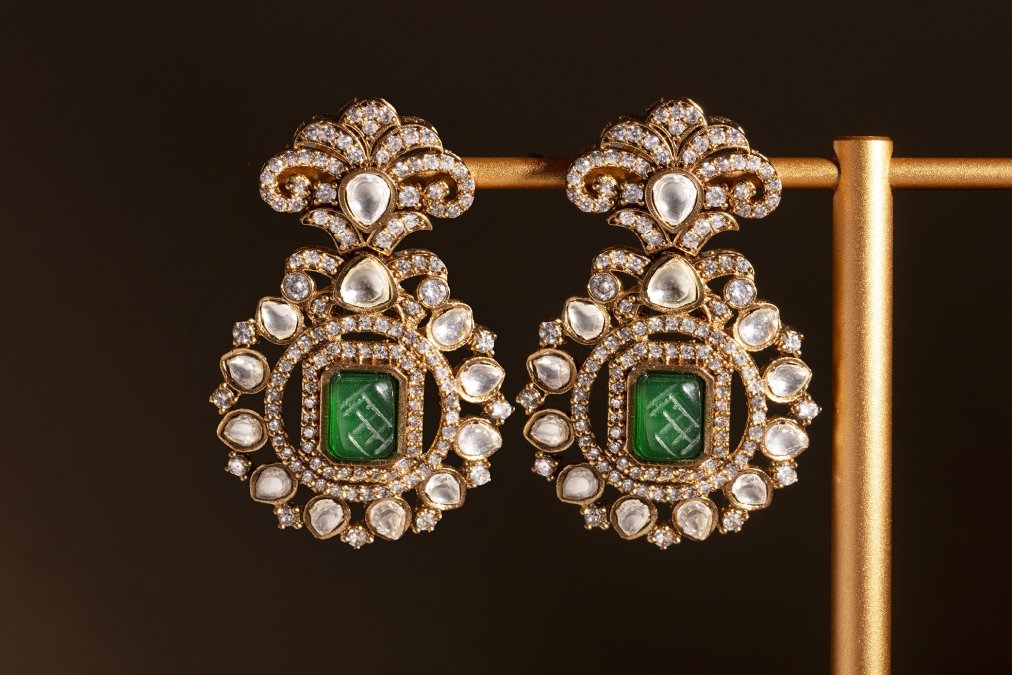
Silhouette and Draping for Polished Appeal
The way you drape a saree changes everything. Too loose looks unfinished; too tight feels costume-like. The sweet spot is a clean, structured drape that skims your body without clinging.
Key draping techniques:
- Keep the pallu (the draped end) at shoulder height, not hanging loose
- Tuck the saree firmly at your waist so it holds throughout the day
- Create clean, even pleats in the front for a simplified silhouette
The blouse should sit snugly at your shoulders and torso without pulling or gaping. Petite frames suit vertical patterns; taller frames can carry bold, large-scale prints.
Color and Print Coordination
Color sets the tone. Jewel tones like emerald, sapphire, and deep burgundy feel inherently elegant; pastels work too, but pair them with structured accessories to avoid looking bridal.
Print coordination prevents visual chaos:
- If your saree has a busy pattern, wear a solid-colored blouse
- If your saree is solid, your blouse can carry more pattern
- Limit yourself to two main colors plus metallics in any single outfit
Neutral bases like cream, black, and navy let statement jewelry shine. This is where French minimalism meets Indian artistry: restraint makes boldness more powerful.
French Style Outfit Ideas That Honor Your Heritage
Parisian elegance meets Indian heritage across everyday, professional, and formal settings, each following a repeatable construction method.
The Four-Step Construction Method
Every fusion look here is built the same way. Learn the sequence once and apply it to any garment.
- Choose the heritage anchor. Pick the one piece that carries cultural meaning, a saree, a kurta, an embroidered dupatta, a hand-painted motif. This is the piece you build around, not the piece you adjust.
- Set a French base. Add one clean-lined Western element: tailored trousers, a silk shirt, a structured blazer, a column dress. The base should be solid-colored or subtly textured so it never competes with the anchor.
- Bridge with one accessory. A structured handbag, a single statement necklace, or a pair of pointed-toe shoes. One bridge piece is what makes the two halves read as a single outfit instead of two costumes.
- Edit down. Remove anything that repeats the anchor's color, pattern, or embellishment. If the anchor is embroidered, the base is plain. If the anchor is a solid jewel tone, the base can carry a subtle print.
Occasion-Based Fusion Formulas
For professional settings: Tailored blazer + silk blouse + structured trousers + one heritage jewelry piece.
For casual outings: Kurta + fitted jeans or straight-leg trousers + layered delicate necklaces + a structured handbag.
For travel: A pre-draped saree or saree-style skirt + a plain knit top + flat pointed shoes + a crossbody bag.
Fabric, Fit, and Climate: What Changes the Formula
The construction method stays the same, but materials should change with the season.
- Raw silk drapes with weight and holds a pleat cleanly, making it forgiving for structured drapes and evening wear, though less comfortable in humidity.
- Cotton and cotton-silk breathe in warm climates but crease and drape softly, suiting relaxed and daytime formulas.
- Vegan leather accessories hold their shape in heat and rain, which is why a structured bag in a neutral color is the most reliable bridge piece across every season.
Wearing Heritage Pieces Respectfully
Blending two traditions works best when both are treated as equal partners.
- Know what you are wearing. Learn which region or community a motif, weave, or drape comes from. A Banarasi weave, a Kanjivaram silk, and a bandhani print each carry different histories and formality levels.
- Match the formality. Do not wear a bridal-level piece to brunch or a temple-style motif as a novelty print.
- Let the craft lead. If a piece took weeks to embroider or hand-paint, style it so the work is visible rather than buried under a heavy jacket.
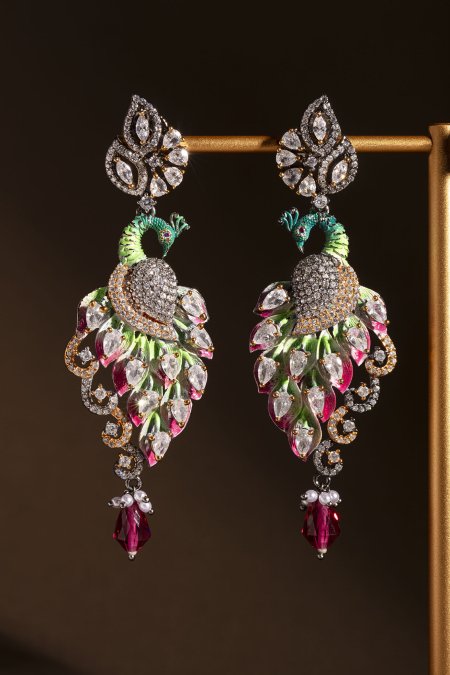
How to Accessorize a Saree With Modern Pieces
Accessorizing a saree with contemporary pieces requires intention. The goal is harmony, accessories should feel like a natural extension of the saree.
Footwear and Bag Selection
Your bag and shoes set the mood. A structured vegan leather handbag with gold-plated hardware adds contemporary polish; choose neutrals like black, cognac, or cream so it complements rather than competes.
Shoe choices matter more than most people realize:
- Pointed-toe flats elongate your silhouette and feel modern
- Sleek heels add formality and elegance
- Embellished sandals work for casual settings
Coordinate the bag with your shoes: the same color family creates a cohesive look. Look for clean lines and quality materials; vegan leather offers durability, while gold-plated hardware adds luxury without excess weight.
Layering Jewelry for Balance
Jewelry layering is where many people stumble: too many pieces feel cluttered, too few feels unfinished. Start with a necklace as your focal point.
Layering guidelines:
- One bold statement piece (necklace, bracelet, or ring)
- One or two delicate supporting pieces
- Match metal tones (don't mix gold and silver randomly)
The Mitsouko Ring celebrates beauty and sophistication with its contemporary design. Pair it with a simple necklace for understated elegance. Or wear it alone as your statement piece.

Styling Statement Jewelry Without Overwhelming Your Look
Statement jewelry should elevate your outfit, not dominate it. The art is knowing when to go bold and when to hold back.
The One-Statement Rule
Wear one bold piece per outfit. If you're wearing a statement necklace, keep your earrings simple. If you're wearing statement earrings, choose a delicate necklace.
This prevents visual overload and makes each piece feel intentional.
The Edith Necklace, inspired by 1940s Paris, features an asymmetrical pendant that commands attention. Wear it with a simple blouse and neutral trousers.

Pairing Bold Pieces With Neutral Garments
Bold jewelry shines brightest against neutral backgrounds, a statement necklace over a cream silk shirt, statement earrings against a black blazer. When your saree is ornate with embroidery, simplify your jewelry and let its craftsmanship be the focal point.
The Rose Necklace blends green jade and gold for Parisian charm with Indian artistry. Its subtle elegance works beautifully over solid-colored garments.
Building a Versatile Fusion Wardrobe
A fusion wardrobe does not require constant shopping, it requires a sequence. Build it in layers, and every addition multiplies what you already own.
The Capsule Sequence: What to Buy First, Second, and Third
Layer one, the neutral base (buy first). These pieces carry no cultural signal, which is why they work with everything you add later.
- One tailored blazer in black, navy, or cream
- One pair of straight-leg or tailored trousers in a neutral tone
- One silk or silk-blend shirt in a solid color
Layer two, the heritage anchors (buy second). Choose two or three, not ten.
- One solid-color saree in a jewel tone for evening and celebration wear
- One lighter saree or pre-draped style in cotton or cotton-silk for daytime
- One kurta that works with both tailored trousers and jeans
Layer three, the bridge pieces (buy third). These accessories make the first two layers read as one wardrobe.
- One structured handbag in a neutral that matches your shoes
- One statement necklace or one pair of statement earrings, not both at once
- One or two delicate supporting pieces (a fine chain, a simple ring)
How to Judge Quality Before You Buy
Fusion wardrobes reward quality over quantity because each piece must survive being styled many ways. A few checks:
- Hardware: on bags and jewelry, check the plating finish. Gold-plated hardware should feel smooth at the edges with no flaking. Cheaper plating dulls at the clasp and handle attachments first.
- Stitching: check the inside seam. Even, tight stitching holds up to repeated draping and washing; loose stitching pulls the first time the fabric stretches.
- Fabric weight: hold the fabric up to light. Very thin silk and vegan leather lose shape quickly; a slightly heavier hand usually means a longer life.
Sourcing With Intention
Where a piece comes from matters as much as how it looks. Look for brands that:
- Name the technique and region behind a piece, not just the aesthetic
- Describe their materials plainly, for example, raw silk, vegan leather, and 18K or 22K gold-plated hardware
- State their commitment to ethical sourcing and fair labour as a standing guarantee rather than a seasonal campaign
If a brand cannot tell you what a piece is made of or where the technique comes from, that is useful information too.
A Realistic Wardrobe-Building Timeline
Most people build a working fusion wardrobe over roughly a year, not a weekend.
- Months 1-3: the neutral base. Wear it with what you already own to learn which silhouettes you reach for.
- Months 4-6: add your first heritage anchor. Style it three ways before buying a second.
- Months 7-9: add the bridge pieces, when the wardrobe starts to feel like one wardrobe instead of two.
This spreads spending out and prevents the most common mistake: buying several statement pieces at once with nothing neutral to wear them with.
Seasonal Rotation Without Buying New
You can shift a fusion wardrobe between seasons by changing what sits closest to the skin and what sits on top, not by replacing the core.
- Warm weather: cotton and cotton-silk anchors, lighter jewelry, a structured bag in a lighter neutral, pointed flats.
- Cool weather: raw silk and heavier weaves, a fine-knit layer under the anchor, a tailored coat over it, and one richer-toned accessory.
- Transitional: keep the same anchor and base, and swap only the bridge piece, a lighter necklace in spring, a heavier one in autumn.
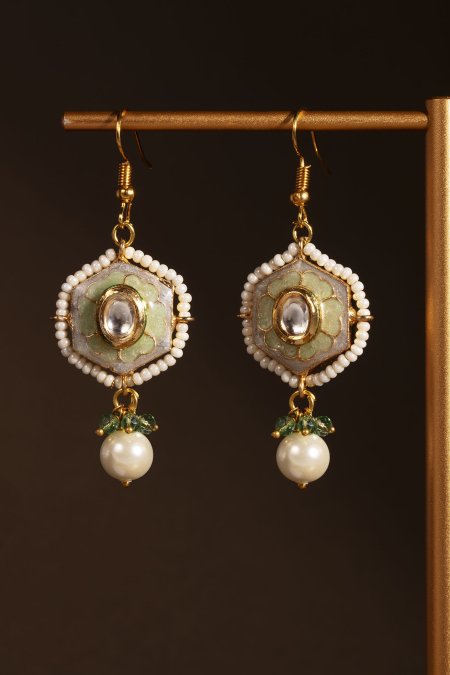
The Story Behind Artisan Craftsmanship
The fusion of Indian artistry with French elegance happens at this level.
At Veronica Tharmalingam, we source with care and intention.
Styling French elegance with Indian heritage isn't about following rules. It's about understanding principles and making them your own.
Explore our collection at Veronica Tharmalingam to find pieces that celebrate your heritage while expressing contemporary sophistication.
Frequently Asked Questions
How can you combine French elegance with Indian heritage in an outfit?
Start by selecting one statement piece that reflects your heritage, a traditional saree, embroidered kurta, or artisan jewelry, then balance it with French-inspired minimalism. Pair a silk saree with a structured handbag and understated footwear, or wear traditional jewelry with contemporary separates. The key is restraint: let one cultural element anchor your look while keeping the rest clean and refined. This approach honors both traditions without creating visual conflict.
What accessories work with both Indian and French-inspired outfits?
Handcrafted jewelry pieces that blend cultural motifs with timeless design work beautifully across both styles. Gold-plated statement rings like the Mitsouko Ring pair equally well with a saree or a tailored blazer. Structured handbags in vegan leather with gold-plated hardware complement traditional garments while maintaining contemporary polish. Asymmetrical necklaces such as the Edith Necklace bridge both aesthetics through their artistic design. Look for pieces that feature artisan detailing without being overtly ethnic, allowing them to enhance rather than define your entire look.
How do you style statement jewelry without overwhelming an outfit?
Apply the one-statement rule: choose a single bold piece, either a statement necklace, cocktail ring, or ornate earrings, and keep everything else understated. If wearing the Starling Ring with its circular floral pattern and kundan stones, pair it with minimal other jewelry and a neutral color palette. Balance a statement necklace like the Rose Necklace by wearing simple clothing and keeping your makeup and hair refined. This ensures your jewelry becomes the focal point of elegance rather than creating visual chaos. The piece should feel intentional, not accidental.
How do you pair a saree with contemporary accessories for a professional setting?
Choose a saree in solid, jewel-toned silk rather than heavily patterned fabric. Pair it with a structured handbag in vegan leather and closed-toe footwear for authority. Add a single piece of artisan jewelry, a delicate necklace or statement ring, rather than layering multiple pieces. Drape the saree with clean lines and minimal fabric bunching at the shoulders. This approach signals sophistication and respect for the garment while maintaining the polish expected in corporate environments. The fusion works because you're honoring tradition through fabric and form while signaling contemporary professionalism through restraint.