

How to Invest in Ethically Made Luxury Goods
Last Updated: November 12, 2026
Quick Summary
Ethically made luxury refers to high-end goods produced with fair labour, traceable sourcing and careful craftsmanship, designed to be kept and worn for years. To judge a piece, check that materials are named specifically, the making location is stated, and the brand answers questions plainly.
- Check that every material is named specifically rather than hidden behind terms like premium blend.
- Confirm the country or region where the piece is finished, since designed in is not the same as made in.
- Ask how many pieces are made per edition to separate limited runs from marketing language.
- Compare cost per wear by dividing the price by how often you will realistically use the piece.
- Treat certifications as a starting point, since each one covers only a narrow part of the supply chain.
Table of Contents
- What Ethically Made Luxury Means in Practice
- Checking Ethical Claims Before You Buy
- Judging Craftsmanship, Materials and Durability
- Sustainable Luxury Handbags: What to Look For
- Artisan-Made Luxury Handbags and Cost Per Wear
- Comparing Ethical Luxury Bag Brands
- Your Next Steps: Researching a Piece Before You Invest
- Frequently Asked Questions
What Ethically Made Luxury Means in Practice
Ethically made luxury refers to high-end goods produced with fair labour, traceable sourcing and careful craftsmanship, designed to be kept and worn for years rather than replaced each season.
The phrase covers more than one idea. Some buyers focus on materials, such as raw silk and vegan leather. Others focus on who makes the piece and under what conditions.
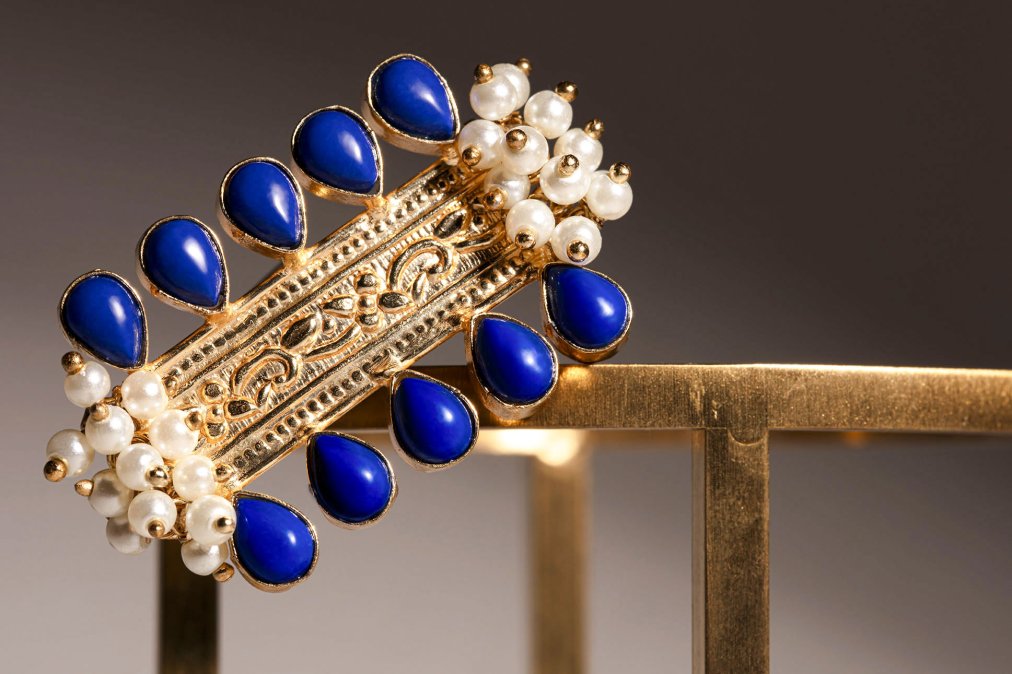
Our handbags are made with raw silk and vegan leather, and our hardware is 18K gold plated. Our jewellery is 18K or 22K gold plated. Ethical sourcing and fair labour are offered as a general brand commitment to the way our pieces are produced.
Checking Ethical Claims Before You Buy
Many shoppers have been disappointed by "artisanal" labels that turned out to describe mass production. The most useful response is to test the claim against specifics. Ask what is made by hand, where, and by whom, and whether the answers are consistent from one page to the next.
A brand that is confident in its practices will answer plainly. Vague language about being "conscious" or "heritage-inspired" without any detail about the making process is worth noticing. The absence of detail is information too.
A Practical Due-Diligence Checklist
Treat each purchase as a short investigation. The questions below turn broad ethics talk into repeatable checks you can run on any product page or in a boutique.
- Material disclosure. Is every material named, or are there catch-alls like "premium blend"? A specific description (for example, raw silk or vegan leather) lets you judge care, ageing and end-of-life.
- Making location. Is the country and, ideally, the city or region of finishing stated? "Designed in" is not the same as "made in."
- Maker relationship. Does the brand say whether pieces are made in-house or with partner studios, and does it name the type of workshop?
- Labour statement. Is fair labour described in plain terms you can understand, rather than a single word like "ethical"?
- Edition size. Is the production run stated, so you can tell limited editions from marketing language?
- After-sale support. Is there a repair or return policy, and does it cover hardware, linings and stitching?
- Consistency. Do the product page, the about page and the packaging tell the same story?
How to Read Transparency and Traceability
Traceability means you can follow a piece backward: fibre or hide, then mill or tannery, then workshop, then finished good. Full traceability is rare in fashion, so judge the level of detail rather than demanding perfection. A brand that names its material and its workshop is more verifiable than one that names neither.
Watch out: a brand may publish a detailed sustainability page while individual product pages stay vague. Check the page for the piece you are actually buying, not just the corporate story.
What Certifications Do and Do Not Cover
Certifications can help, but they are narrow. A standard that covers organic fibre content does not verify wages. A factory social audit does not verify material sourcing. A leather working group standard addresses tannery processes, not the finished bag's durability. When you see a logo, ask three things: what scope does it cover, which part of the supply chain does it apply to, and is the certificate for the brand or only for one supplier?
Certifications are best treated as a starting point, not a verdict. They reduce some risk but leave gaps that only direct questions and consistent answers can fill.
Questions to Ask a Brand About Sourcing and Fair Labour
- Where is each piece finished, and do the makers work in-house or with a partner studio?
- What materials are used, and how are they described on the product page?
- How are artisans paid, and are working conditions described in general terms you can understand?
- How many pieces are made per edition, and how is that limit set?
- What is the return or repair policy if a piece does not perform as expected?
At Veronica Tharmalingam, ethical sourcing and fair labour are a general commitment to how our pieces are produced, and we are happy to answer questions about materials, making and edition details before you buy.
Judging Craftsmanship, Materials and Durability
Good craftsmanship shows in the details: even stitching, clean edges, hardware that sits flat and fastens smoothly, and linings that are finished rather than glued in place.
Materials matter as much as construction. Raw silk has a textured, natural character that differs from synthetic fabrics, and vegan leather varies widely in quality. Ask how it is made and how it ages.
Durability is the test that separates investment pieces from expensive trends.
Sustainable Luxury Handbags: What to Look For
When you look at sustainable luxury handbags, start with the construction and the materials, then move to the story behind the piece.
Vegan leather is one option for buyers who prefer to avoid animal materials. Its quality depends on the specific product, so check how it is described and how the bag is built around it. Raw silk offers a different kind of character and is often chosen for its texture.
Our handbags are made with raw silk and vegan leather, with hardware finished in 18K gold plating. It is worth asking any brand how its plating is applied and cared for.
The article's key handbag facts, drawn from its own statements, are summarised below.
| Item | Value | Note |
|---|---|---|
| Handbag materials | Raw silk and vegan leather | Named on the product description |
| Handbag hardware | 18K gold plated | Ask how plating is applied and cared for |
| Jewellery plating | 18K or 22K gold plated | Stated for jewellery pieces |
| Sourcing commitment | General brand commitment | Ethical sourcing and fair labour, not a certificate |
Artisan-Made Luxury Handbags and Cost Per Wear
The useful way to think about price is cost per wear: the purchase price divided by the number of times you carry the piece. A higher-priced bag that you use every week can cost less per use than a cheaper bag you abandon after a season.
Running the Numbers Honestly
Do the arithmetic before you decide. Estimate how many days per month you will realistically carry the bag, multiply by the years you expect to keep it, and divide the price by that total. Then repeat the exercise for a cheaper alternative you suspect you will replace sooner. The comparison often surprises people, because the cheaper bag's short life raises its per-wear figure.
Be conservative with your estimate. Buyers often overstate how often they will use a new piece in the first month and understate how their habits settle afterward.
Repair, Resale and End-of-Life Economics
Cost per wear is only half the ownership story. The other half is what happens when the piece needs attention or leaves your wardrobe.
- Repairability. Ask whether stitching, linings and hardware can be repaired, and whether the brand offers that service. A bag that can be re-stitched or re-plated extends its useful life and lowers its per-wear cost.
- Resale value. Pieces with clear materials, durable construction and timeless silhouettes can hold resale interest well. Resale recovers part of the purchase price, which further reduces the true cost of ownership.
- End of life. Ask what happens to a piece that cannot be repaired. Materials that can be recycled or safely disposed of matter here, and so does whether the brand takes pieces back.
Watch out: resale and repair only work if the piece was built to last. A bag with glued linings or thin plating can be harder to repair, which is why construction checks belong in the same conversation as price.
Why Artisan Production Changes the Math
Artisan-made pieces often hold their appeal because they are not mass produced. Limited editions can add to that appeal, though exclusivity should be judged by the actual size of each edition rather than by marketing language.
Pricing depends on the piece, the edition and the materials used, so please check our website for current prices or contact us for a quote. We would rather you compare the cost of ownership honestly, including how often you will realistically use a piece and whether it can be repaired or resold, than buy on impulse.
Comparing Ethical Luxury Bag Brands
When you compare ethical luxury bag brands, use the same criteria for each: how the product is made, what the materials are, how transparent the brand is about sourcing and labour, how the piece is finished and what the after-sale support looks like.
Look for brands that answer your questions directly and provide enough detail for you to judge for yourself. A brand that avoids specifics on one point is worth examining more closely on the others.
The brand's approach blends traditional Indian artistry with French elegance, offers limited-edition designs and is committed to fair labour and ethical sourcing. We would encourage you to weigh those points using the same checklist for any option you consider.
Your Next Steps: Researching a Piece Before You Invest
Before you buy, write down the three things that matter most to you: the materials, the making process and the way you will wear the piece. Then check each candidate against that list, asking the questions set out above.
Next, look at the product photography and descriptions closely. Ask for a clearer view of the finishing if something is unclear.
Finally, make the decision as a long-term purchase. A well-made, thoughtfully sourced piece that fits your life will reward careful research. Explore our current collection, or contact us with questions about materials, fit or edition details.
Discover handcrafted pieces that carry a story and a lasting sense of style. Shop All to see the current collection, and let us help you find the piece that suits your wardrobe.
Frequently Asked Questions
What makes a luxury good ethically made?
An ethically made luxury good is one where the brand can explain where its materials come from, how workers are paid and treated, and how the piece is produced. Look for clear disclosure of sourcing and production sites rather than vague claims about being responsible. Brands that describe their workshops, the artisans involved and their working conditions give you something concrete to evaluate. Ethical sourcing and fair labour are best judged by the openness of the brand's answers, not by slogans alone.
How can I tell whether a luxury handbag is sustainably made?
Start by asking what the bag is made from and how those materials were sourced. Vegan leather and raw silk each carry different production considerations, so ask the brand to describe them in plain terms. Check whether hardware and finishes are durable and whether the construction suggests a long working life. A sustainable luxury handbag should be built to be kept and repaired, not replaced after a season. Compare the brand's explanations with the piece in front of you before deciding.
Are luxury handbags made with vegan leather worth investing in?
They can be, provided the construction is strong and the finish holds up over time. Vegan leather varies widely in quality, so examine the edges, stitching, lining and hardware before buying. Ask how the material performs with wear and how it should be cleaned. A bag you will use for years delivers more value per use than a cheaper piece you replace, so judge the expected lifespan as carefully as the design.
What should I look for when investing in an artisan-made luxury handbag?
Look for evidence of handcraft: consistent stitching, carefully finished edges and well-fitted hardware. Ask who makes the piece and where, and whether the brand can describe the process. Consider cost per wear by estimating how often you will carry the bag and for how many years. Limited-edition pieces can also hold personal and cultural meaning, which is a legitimate part of their value if it matters to you.
